By Ryan Zamonis, VetsWork Intern serving with the Columbia River Fish and Wildlife Conservation Office in Vancouver, WA
Trading a decade of high-stakes naval aviation discipline for the rugged landscapes of natural resource conservation marks a definitive evolution in my professional journey. While my academic roots are firmly planted in earth and environmental sciences with a focus on wildlife conservation, this transition represents a shift in service, trading the vast blue water for the intricate, life-sustaining streams of our regional watersheds. I began this term with the intention of merging my military experience with environmental advocacy, but over the past 10 months of field research, my expectations have been surpassed. This period of total immersion has entirely solidified my professional trajectory and profoundly deepened my steadfast commitment to safeguarding the vulnerable aquatic habitats across the Pacific Northwest.
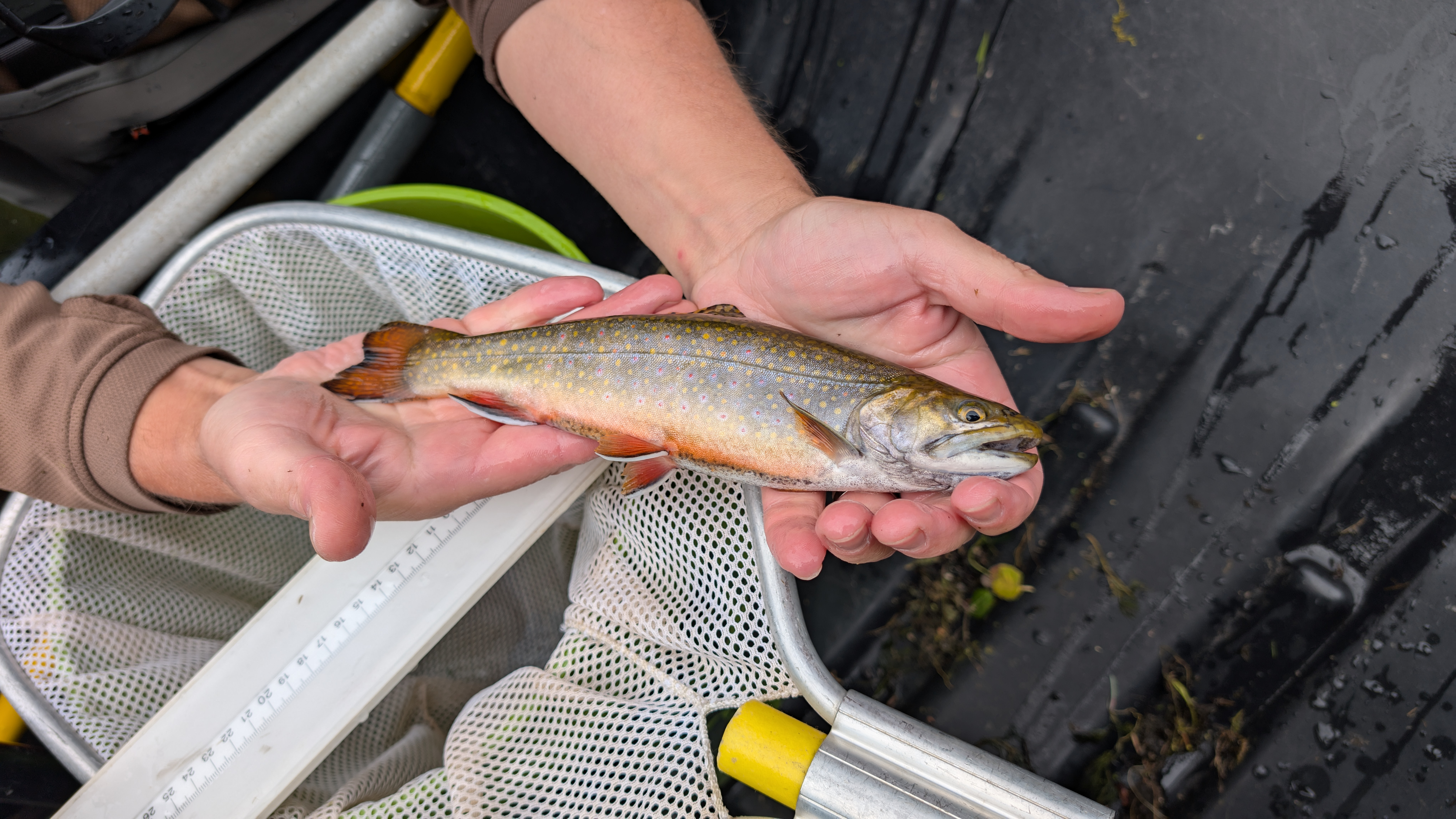
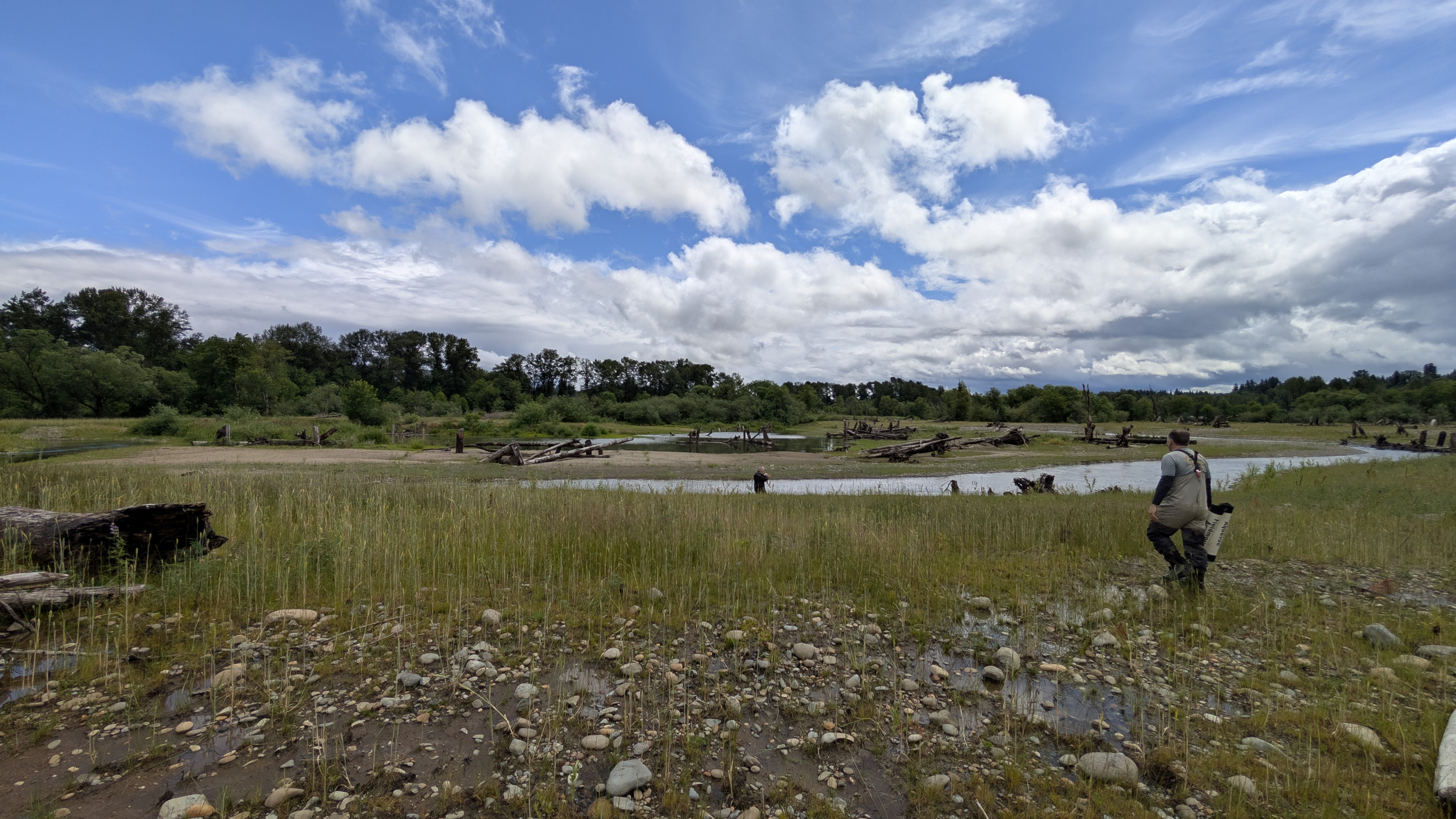
Translating that commitment into action required adapting to a routine far removed from a standard office job. Stepping off the grid, often before dawn, my workspace shifted from the flightline and a desk to rugged streambeds where I navigated the challenging terrain and unpredictable elements of the Pacific Northwest alongside a dedicated crew. This rigorous environment became the backdrop for my most significant professional milestones, allowing me to hit my stride while executing four standout accomplishments: intensive aquatic species salvage on the East Fork Lewis River, Bull trout monitoring, Brook trout removal at Tyee Springs, and vital investigations into burrowing lamprey communities, including Superfund sites monitoring.
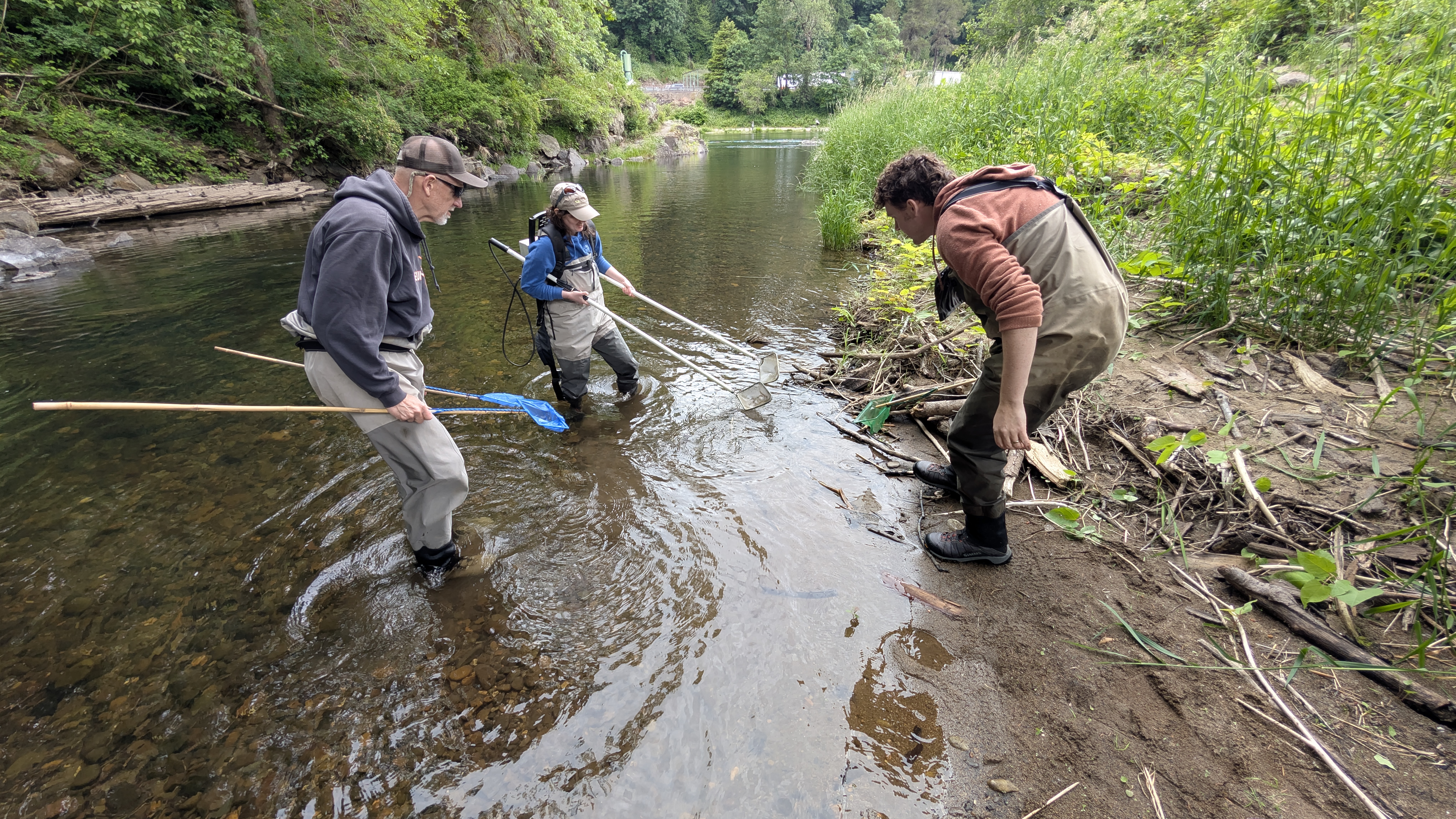
Navigating shifting river flows and demanding conditions on the East Fork Lewis River, our team performed critical salvage work, relocating native species like western pearlshell mussels and Pacific lamprey to safer habitats. This hands-on effort was a masterclass in field biology, blending precise technical fieldwork with collaborative, multi-agency problem-solving and direct environmental stewardship. I also gained hands-on experience with ESA-listed Bull Trout through monitoring efforts and PIT (Passive Integrated Transponder) tagging. Surgically implanting these micro-tags requires steady focus and strict adherence to protocol—skills that mirrored the high-stakes discipline I cultivated in the Navy. Tracking these predators via antenna arrays provided invaluable data on migration patterns, deepening my connection to regional conservation efforts. Furthermore, executing Brook Trout removal at Tyee Springs offered a
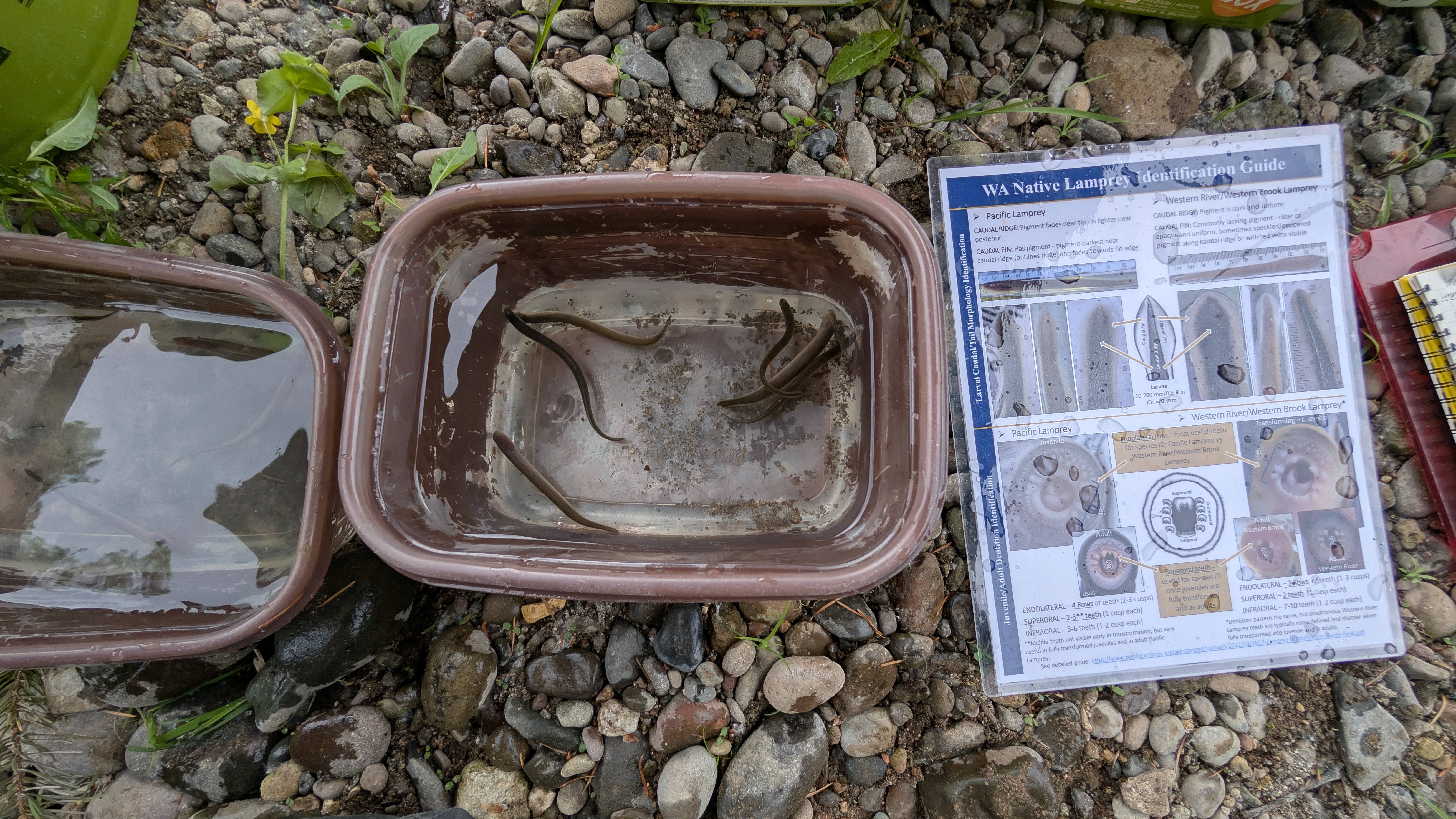
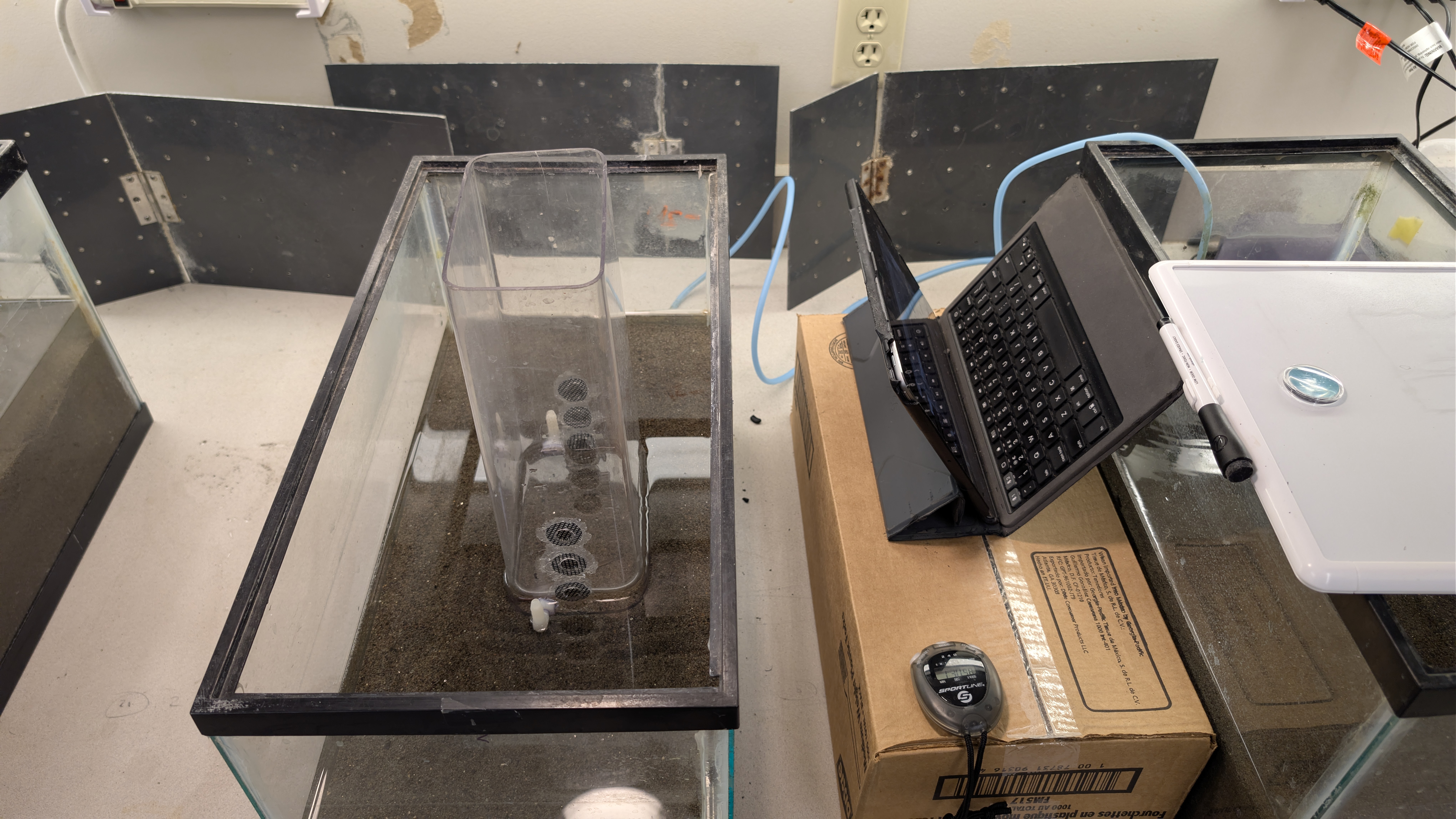
practical lesson in active fisheries management, where removing invasive competitors allowed me to witness the immediate impacts of ecological intervention. Finally, I led field research on burrowing lamprey, exploring the complexities of benthic ecology. This involved utilizing specialized electrofishing gear and analyzing larval lamprey burrowing behavior in a research lab setting (70–101 mm). By documenting these burrowing Entosphenus tridentatus, I underscored the critical nature of adaptive management during dewatering operations. These findings are essential for deciphering habitat selection, establishing the physical thresholds required for successful self-extrication, and upholding the long-term ecological integrity of the regional watershed.
This total immersion underscored why the public needs to understand the vital work happening beneath the surface of our local streams. While many recognize the importance of iconic salmon runs, the western pearlshell mussels filtering the water, the larval lamprey burrowing in the sediment, and the elusive and mysterious Bull Trout navigating cold headwaters are the true foundations of watershed health. Being responsible for their survival and monitoring gave every long day in the waders a profound sense of purpose. But the work goes beyond the species; it’s about weathering the daily realities of life in the field. The biggest hardship in this line of work is the unpredictability of working in dynamic river systems where conditions can change in an instant. When field conditions deteriorate during an active salvage or a remote monitoring run, there is no stepping away; you push forward until the task is safely completed. Achievement in the riverbed is predicated on the strength of your team, the reliability of your equipment, and a constant readiness to pivot. My previous military service established the groundwork for managing high-pressure environments; however, this term has shown me how to combine that ingrained fortitude with a profound dedication to conserving these fragile underwater ecosystems.
As I look toward what’s next, this experience has entirely solidified my professional trajectory. The skills, field hours, and technical confidence I gained here have prepared me for my ultimate goal: transitioning into a seasonal role as a Biological Science Technician. I am incredibly grateful for the mud on my waders and the opportunity to safeguard the waters of the Pacific Northwest. I am leaving this term with a clear mission, ready for the next chapter in federal service.
See you in the next Adventure!
Ryan Zamonis
~We may brave the human laws but cannot resist the natural ones – Jules Verne~
A Special thank you to the following:
Erica Keleher, Will Simpson, Tim Blubaugh, Brian Davis, Marshall Barrows, Joe Skalicky, Monica Blanchard, Tim Whitesel, Mt. Adams Institute, AmeriCorps, and USFWS Columbia River Fish and Wildlife Conservation Office, Vancouver, WA.