
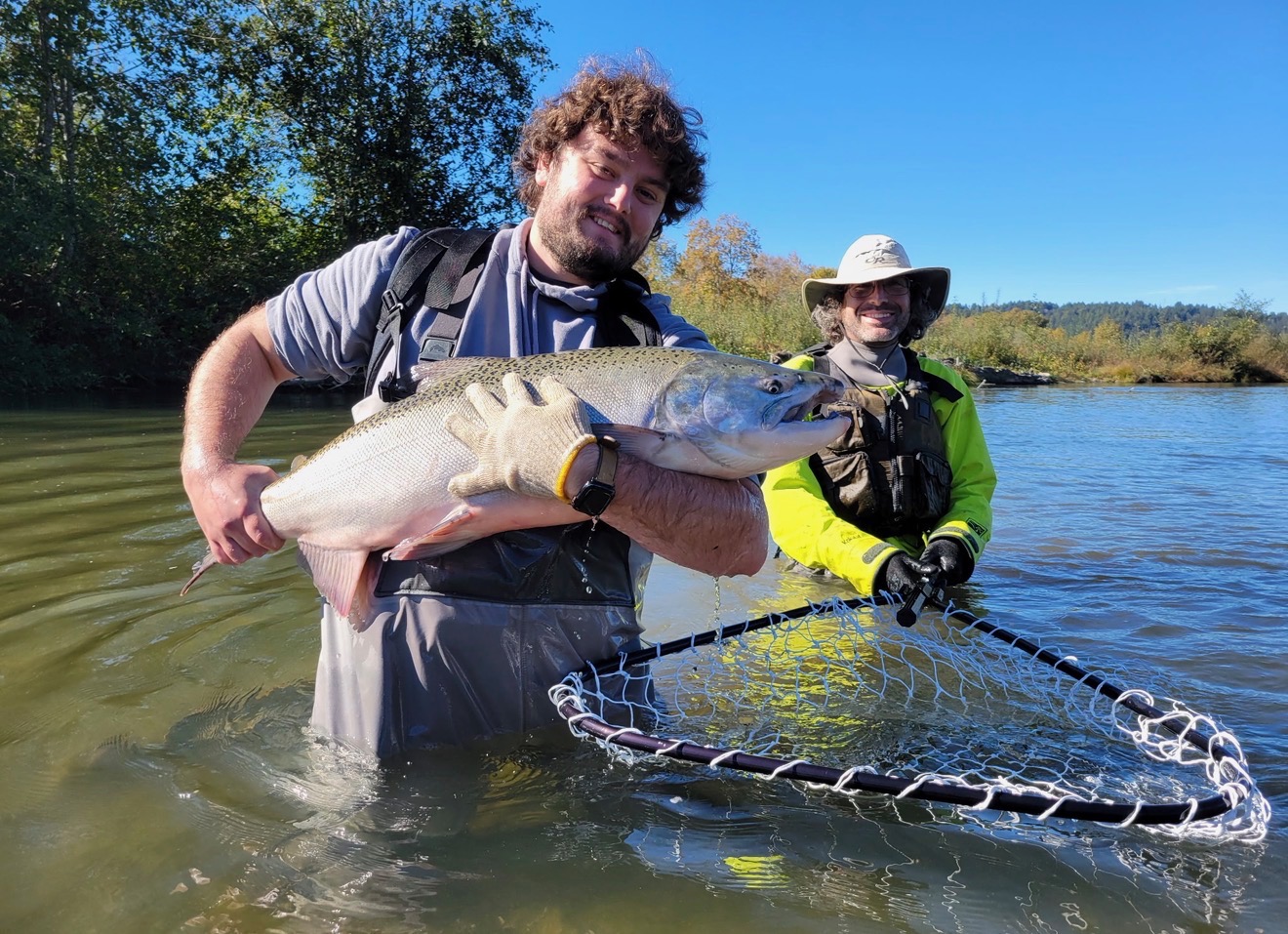
By Scot Clark, VetsWork Intern serving with CA Department of Fish and Wildlife in Arcata, CA
Since my first day interning with the California Department of Fish and Wildlife (CDFW) through the Mt. Adams Institute’s VetsWork program, I have been immersed in an entirely new world of fisheries and conservation work. On my very first day, I was out on Prairie Creek assisting the Yurok Tribe with relocating fish species and lamprey to a new section of the creek while the original channel was drained and eventually filled in as part of a restoration and road diversion project. It was an incredible introduction to the kind of hands-on conservation work taking place in the field.
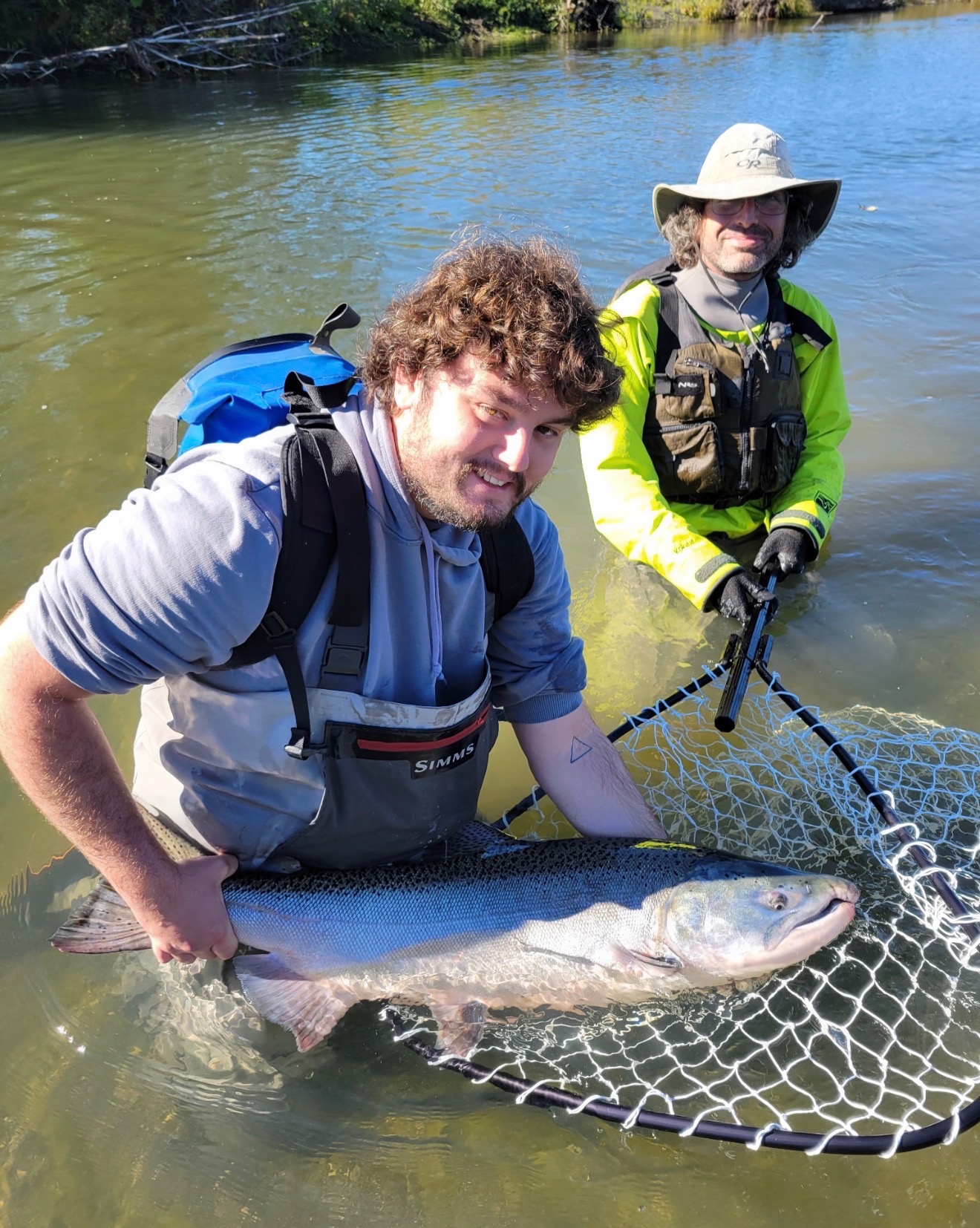
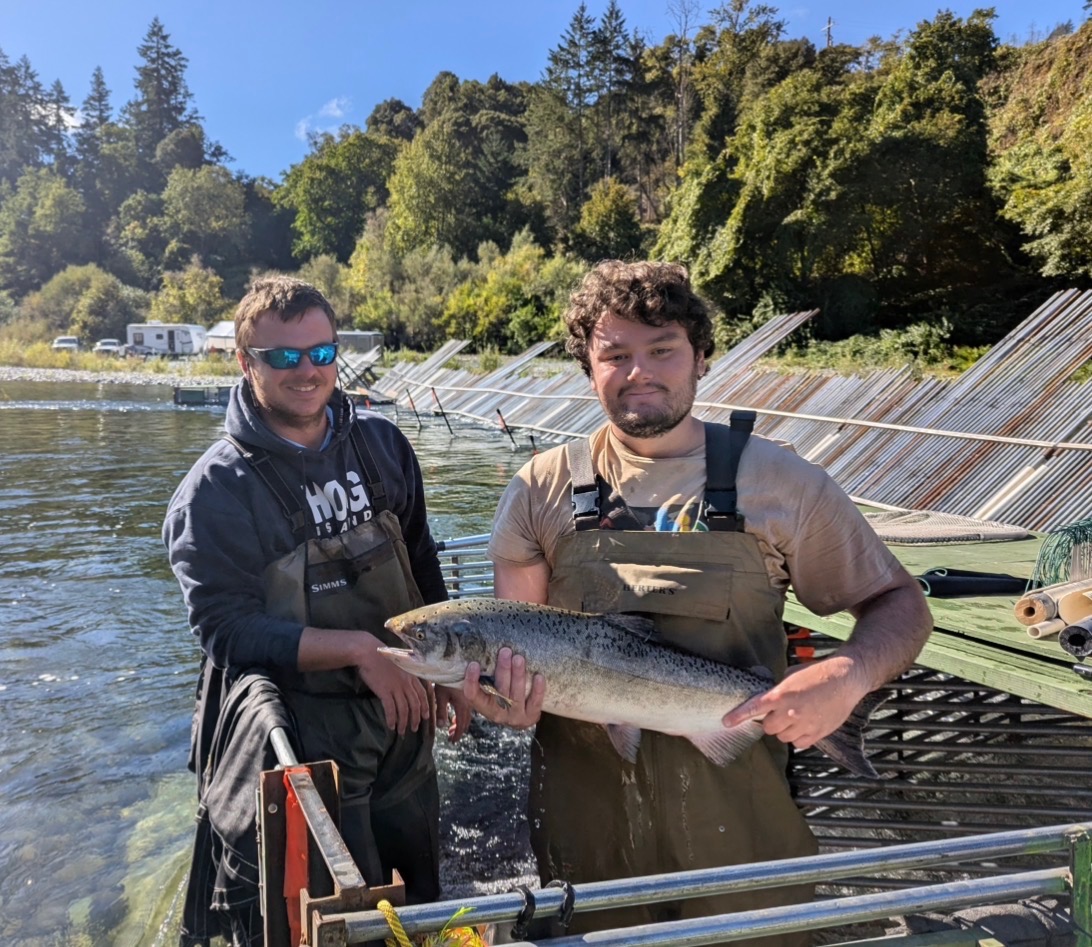
Soon after, I had the opportunity to work alongside an amazing team on the Smith River conducting juvenile salmonid snorkel surveys. On our first survey, we explored a small Mill Creek tributary unlike anything I had ever experienced. The creek was surrounded by dense old-growth salmonberry and massive fallen redwoods that created an incredibly tight canopy close to the water. Much of the survey had to be completed by belly-crawling through only a few inches of water while searching for tiny micro-pools hidden beneath the vegetation and woody debris. Despite the challenging conditions, these small pools were full of juvenile Coho salmon waiting for winter rains and higher flows that would reconnect them to the larger Smith River and allow them to continue their journey.
That experience truly opened my eyes to the complexity and resilience of these species’ life cycles. During periods of high flow, adult salmon are able to access these tributaries to spawn. Then, as the dry season arrives, their offspring remain isolated in these small tributaries, surviving until seasonal rains once again connect them to the river and eventually the ocean. It was inspiring to witness firsthand how these fish continue a cycle that their ancestors have followed for thousands of years.
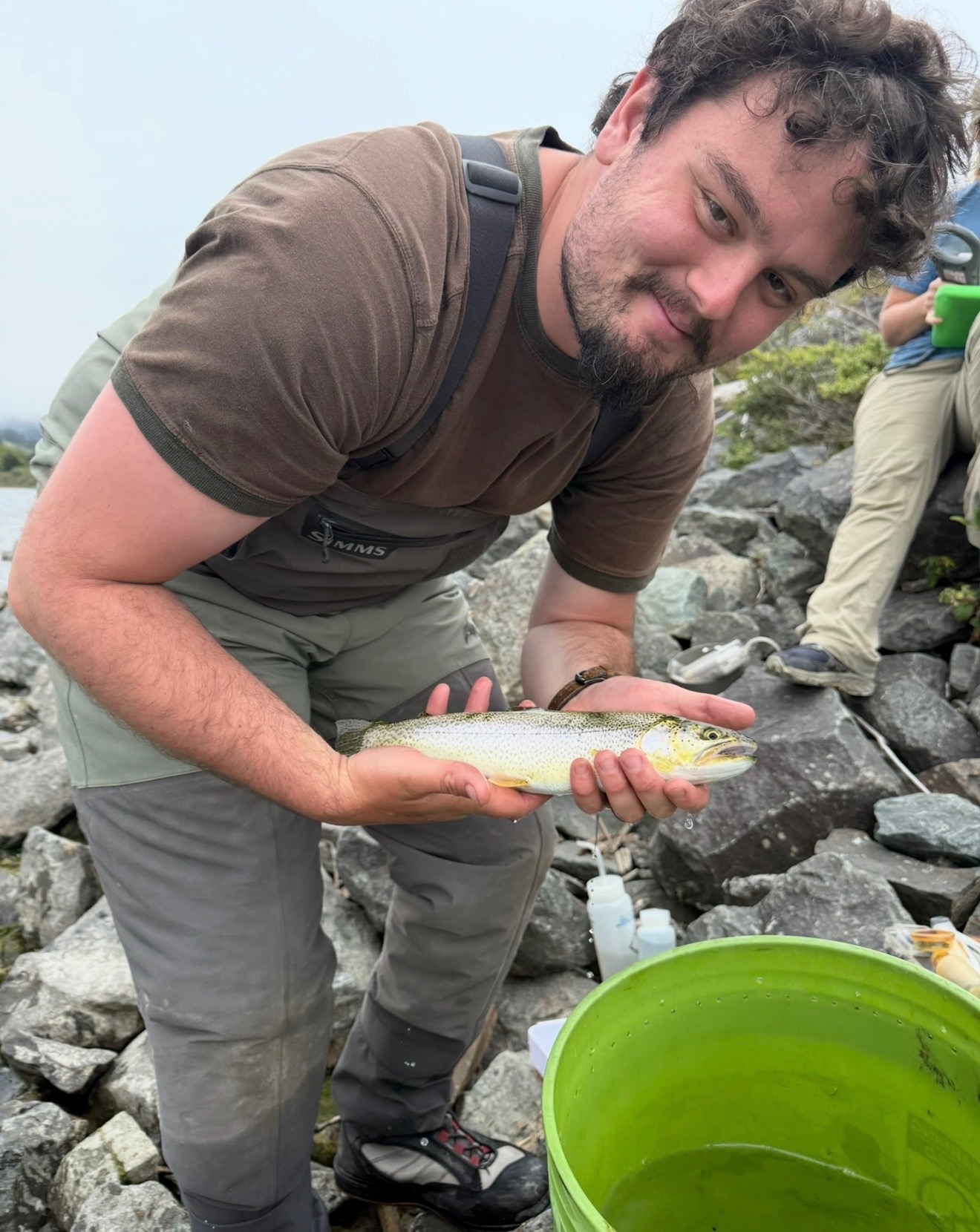
I spent the entire summer camping along the Smith River, conducting surveys, learning from experienced biologists, and gaining valuable field experience that strengthened my passion for marine and freshwater biology. These experiences confirmed my desire to pursue a career in fisheries science, and I am extremely excited to return for my second term. I am equally excited to continue my education, earn a degree, and further contribute to the fisheries and conservation field.