By Carl Cruz, VetsWork Intern serving with Lower Columbia Estuary Partnership in OR.
As a Vetworks Intern with the Mt. Adams Institute, I am completing my term with the Lower Columbia Estuary Partnership (LCEP) in Portland, Oregon. This role has allowed me to develop greater independence in managing my own schedule and projects—a shift from my experience with other agencies—and has strengthened my skills in time management and collaboration. LCEP’s mission is “To restore and care for the waters and ecosystems of the lower Columbia River, for current and future generations of fish, wildlife, and people.” They pursue this mission through habitat restoration, monitoring, research, education, and volunteer engagement. During my internship, I have been fortunate to both observe and contribute to each of these areas of their work.
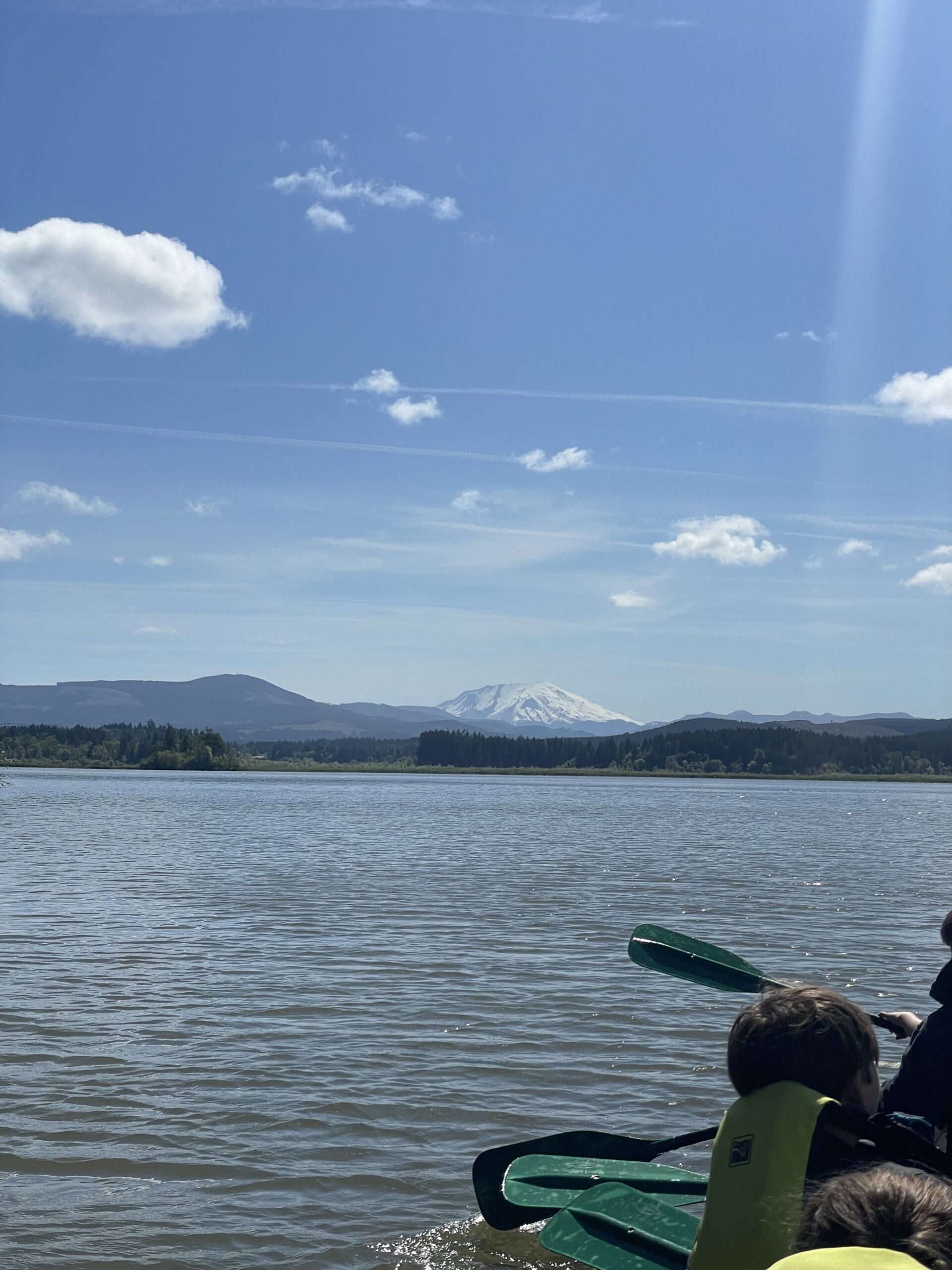
I began my position in March, immediately contributing to the education team by helping spark environmental curiosity and knowledge in students through the study of local biodiversity, ecosystem services, and the vital role of stewardship in environmental protection. Alongside this work, I have supported LCEP’s Big Canoe Program, which offers opportunities for people to experience and learn about their local waterways. I have participated in numerous canoe trips, guiding groups ranging from elementary students to adults, many of whom had never been on the water before. Witnessing the excitement and joy these experiences, especially for first-time paddlers, were both rewarding and inspiring.

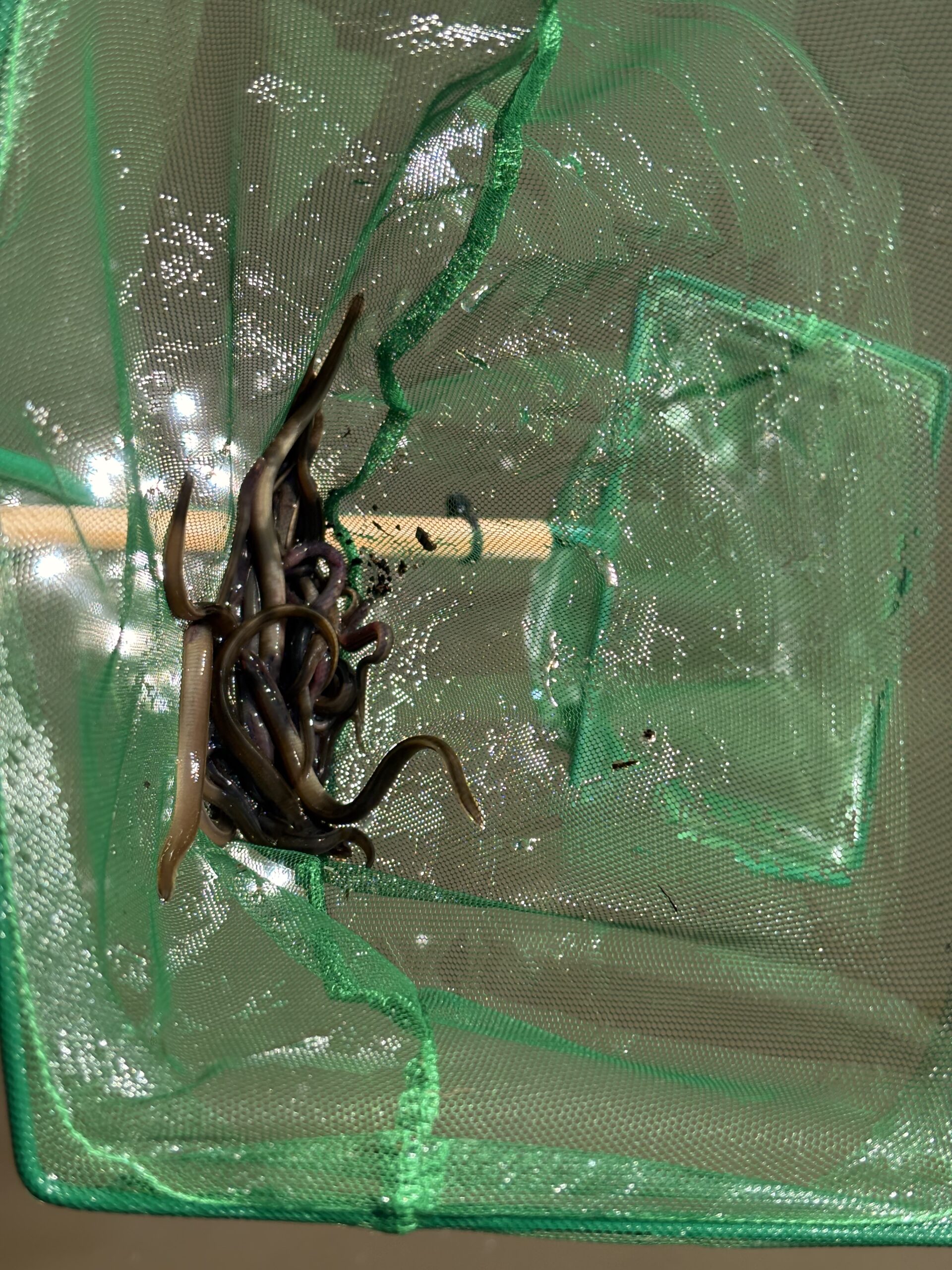
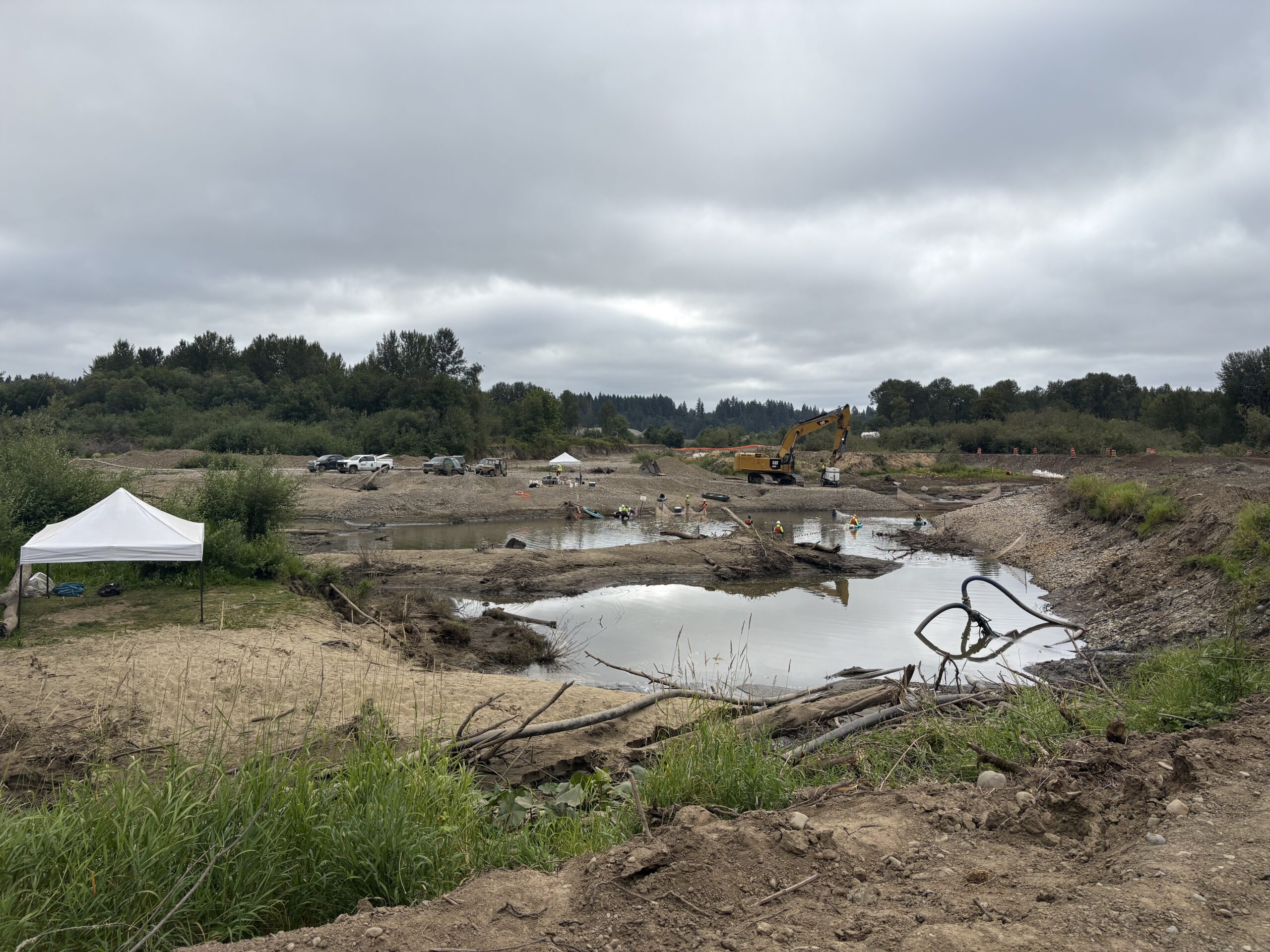
As summer approached, I continued supporting the education team with the canoe program while beginning to transition to the science team. One highlight was assisting with fish salvage at the East Fork Lewis River Reconnection Project—a multifaceted effort focused on habitat restoration, flood and erosion risk reduction, and recreational enhancement. My work involved locating, capturing, and relocating pacific and brook lamprey, as well as pearl and floater mussels, to suitable habitats outside the reconnection area. The days were long, the water muddy, and the lamprey squirmy, but the experience gave me a deeper appreciation for the complexity and importance of large-scale restoration projects.
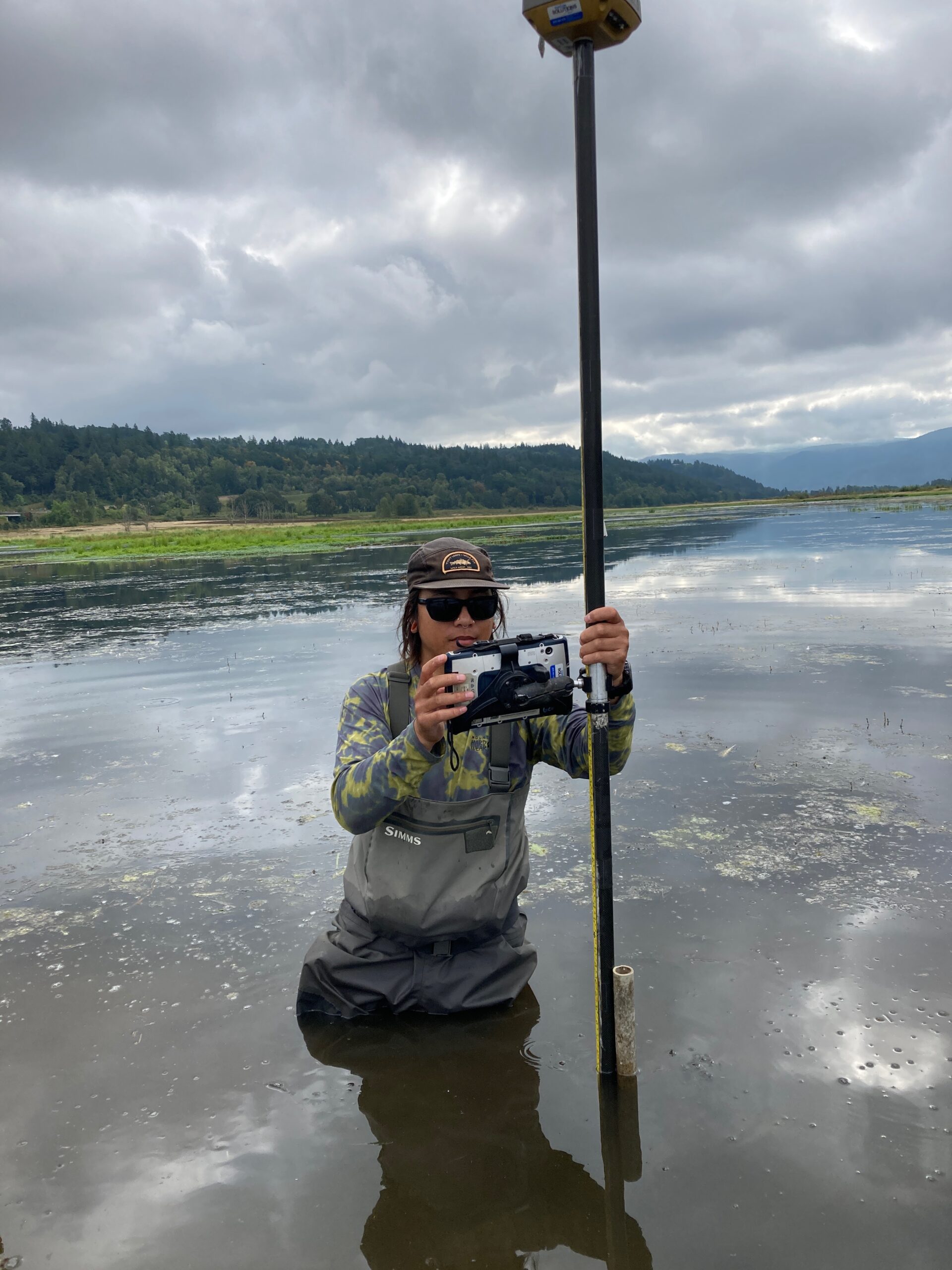
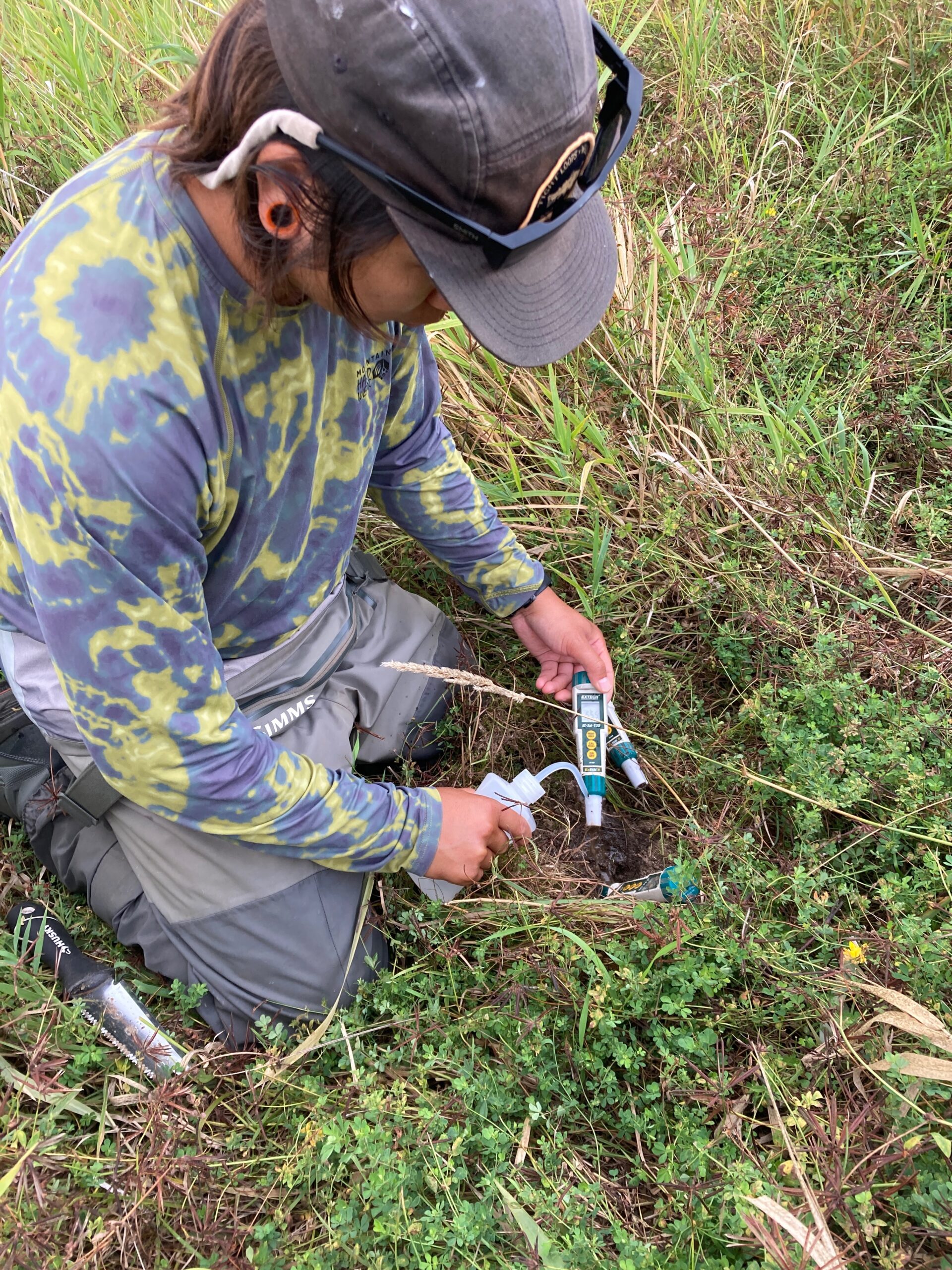
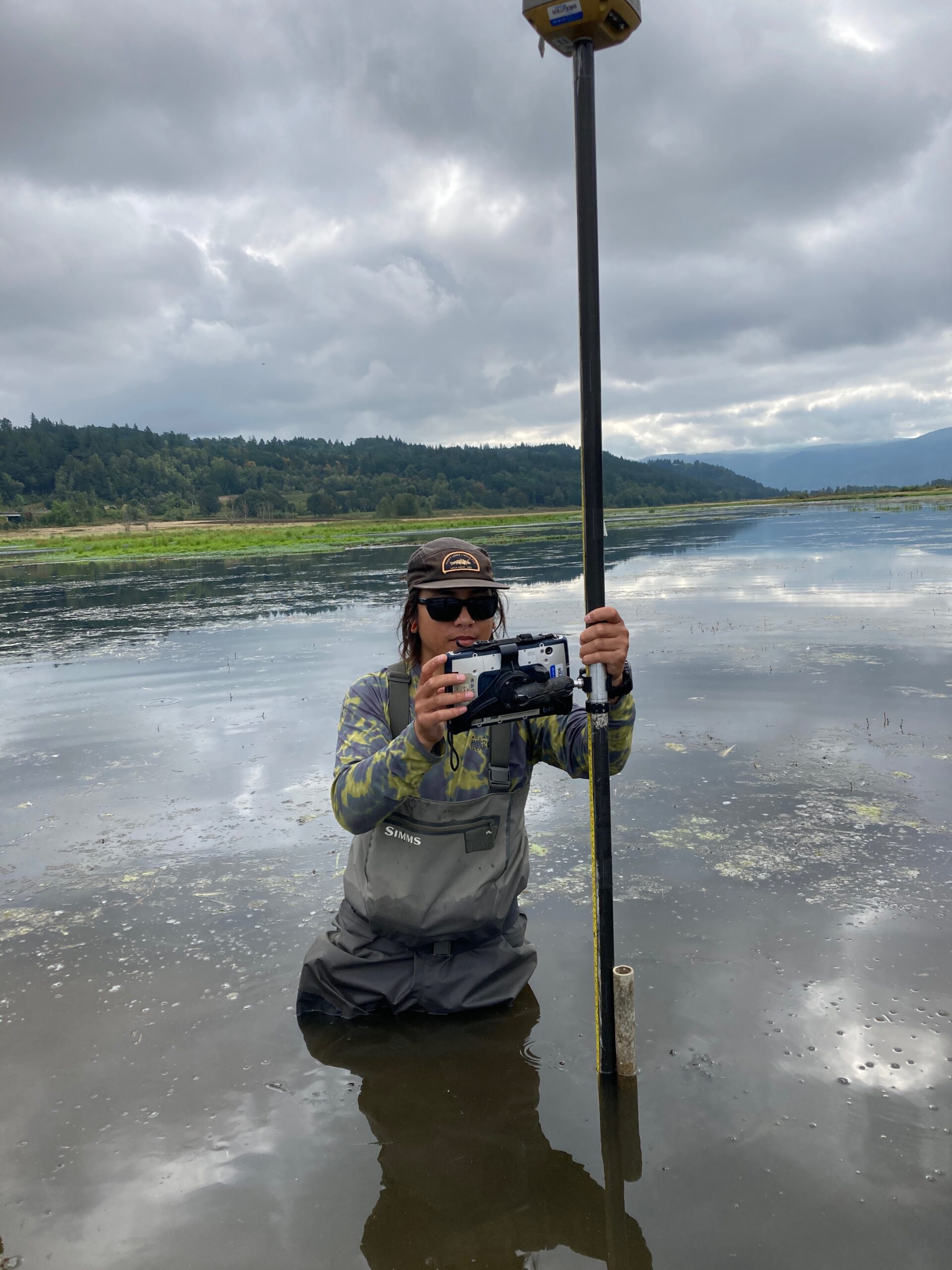
After my time with the science team, I transitioned to supporting the monitoring team, where I focused on vital data collection to improve understanding of river conditions and strengthen management strategies. I gained hands-on experience measuring water quality parameters that reflect the physical, chemical, and biological health of aquatic systems. In addition, I trained with real-time kinematic positioning (RTK), a high-precision alternative to GPS that reduces error in data collection. One highlight of this work was assisting with drone operations—while I couldn’t pilot the drone myself, watching a large drone in action was an unforgettable experience. As the field season concludes, I will continue contributing to the monitoring team through data entry, data processing, and aerial image analysis.