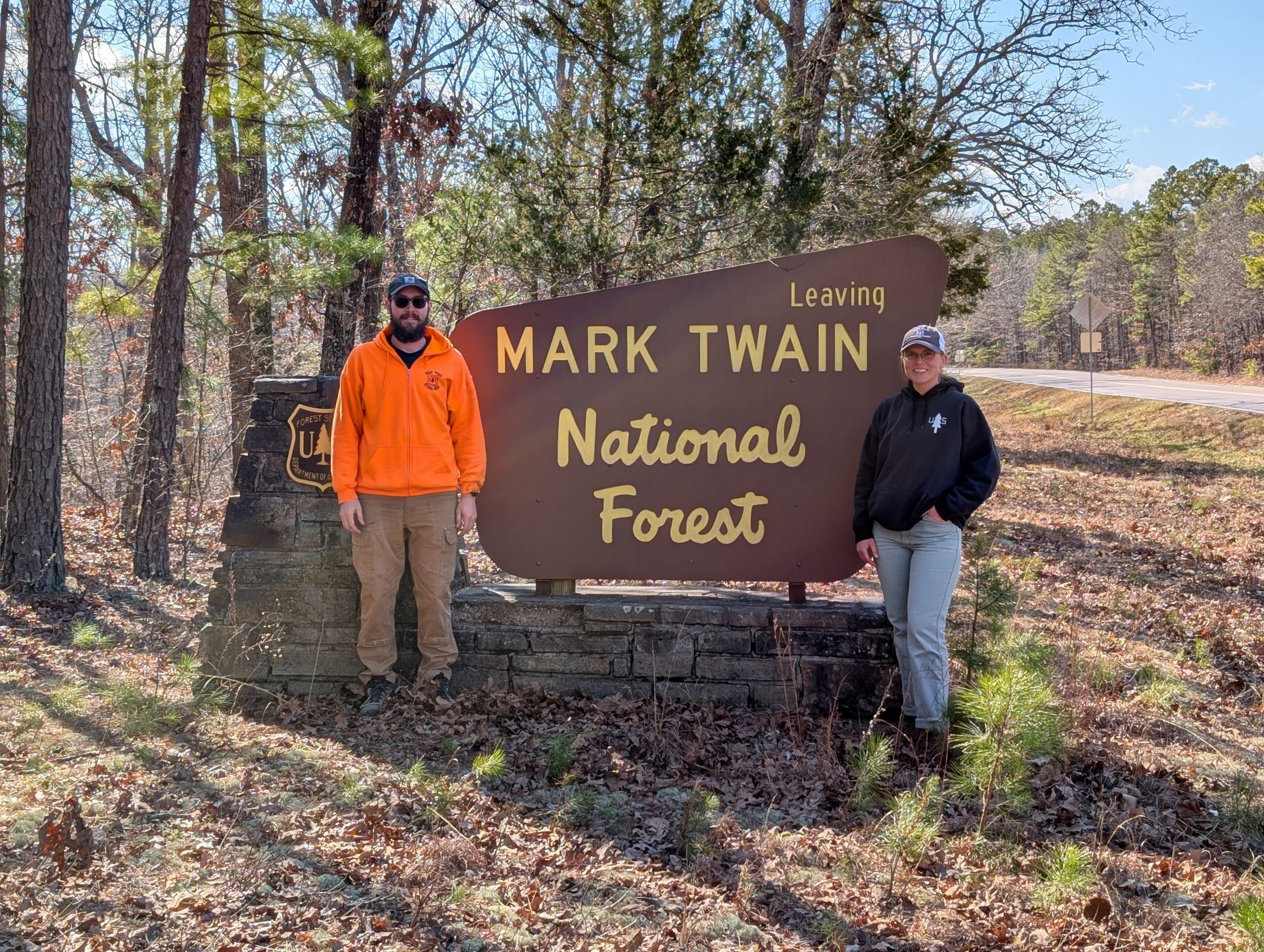
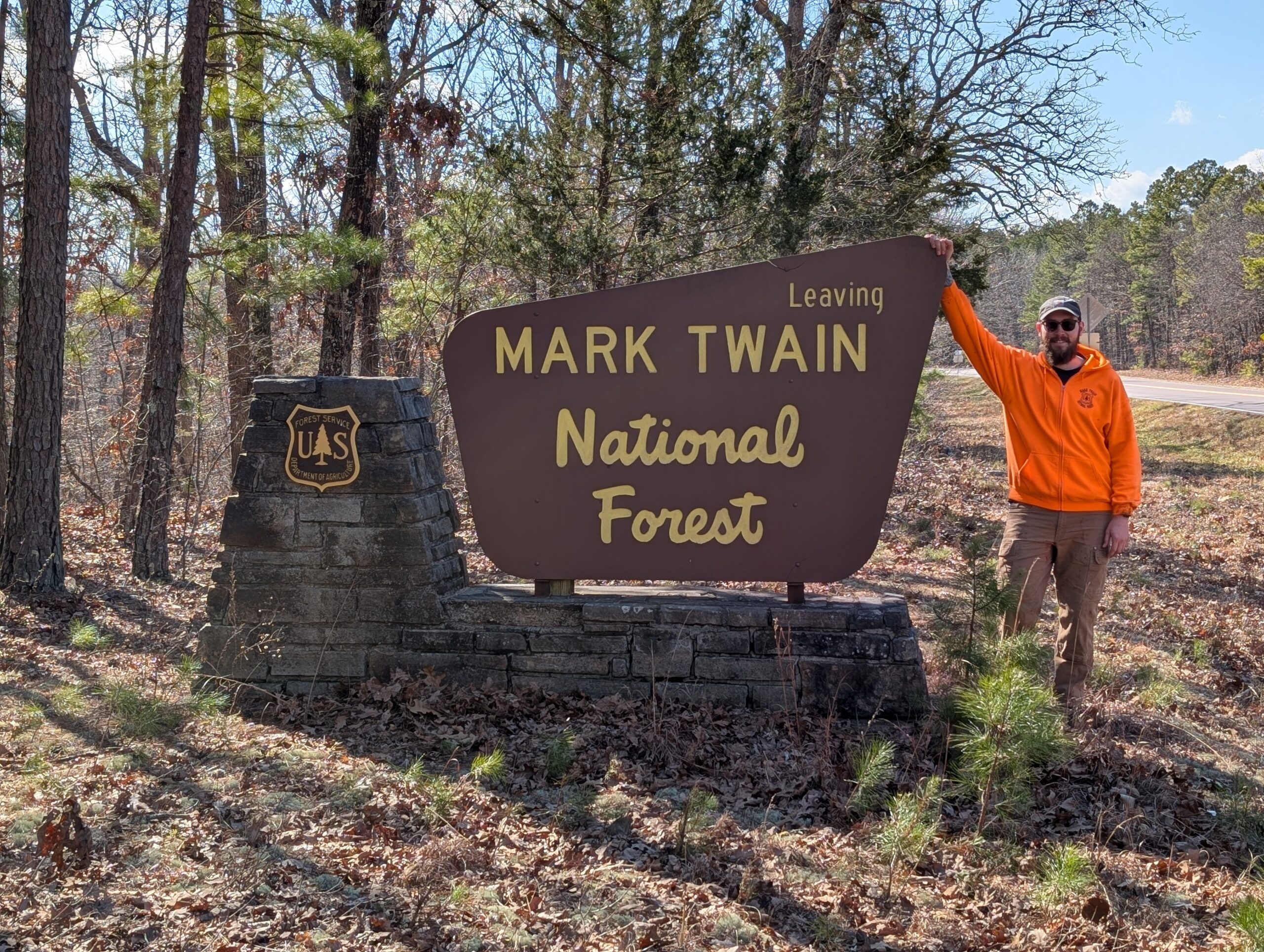
By Ryan Robinson, VetsWork Intern serving on Mark Twain National Forest in Rolla, MO
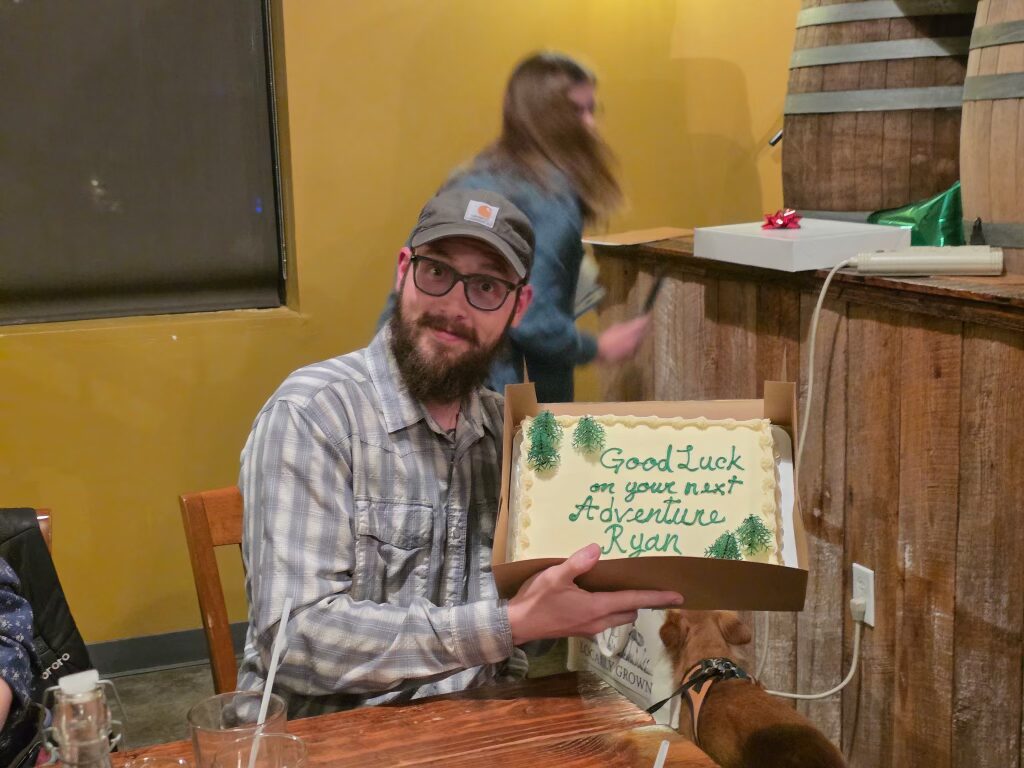
As I near the end of my internship with the Mark Twain National Forest and reflect on how the last 10 months have gone, the word that comes to mind most is appreciation. I entered this role without having a background in land surveying, and now have a deep appreciation for the professionals within this field. I was mostly unfamiliar with AmeriCorps, and I have come to appreciate the breadth of positive impacts AmeriCorps programs have on communities and individuals throughout the country. I had never heard of Mt. Adams Institute; now I appreciate their work and the fact that I have been lucky enough to be a part of their mission. I started this chapter of my life alongside new faces, and now I appreciate most of all the friends and relationships I’ve been able to rely on throughout this challenge. I want to thank my direct supervisor, Katie Jones, along with the other land surveyors on the Mark Twain: Terry Throesch and Dwayne Ketzler. These three were instrumental in my training and professional development throughout this internship, and have all been extremely welcoming, caring, and generous with their wealth of knowledge. I also want to thank Erica Keleher with Mt. Adams Institute; she supported me over the last ten months as an MAI intern, and could not have been any more helpful, or more pleasant to work with.
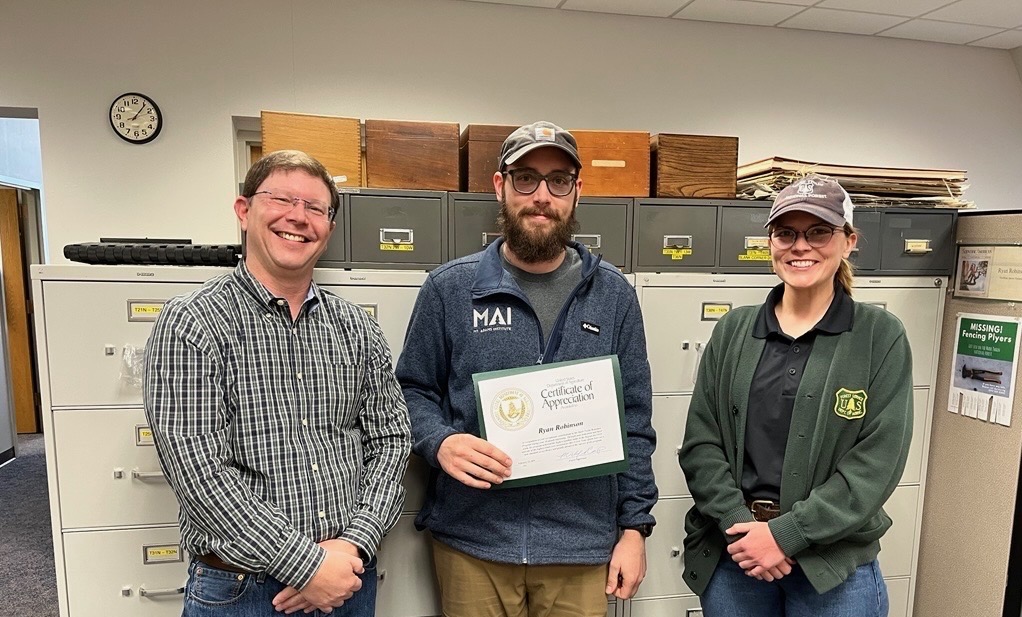
While working on the Mark Twain, I have helped to refurbish existing boundaries and post new boundary line totaling over 18 miles, while locating more than 80 existing survey monuments. Visiting historical corners and boundary line gives a unique insight into the history of the forest. Long abandoned fences hint at homesteads and livestock operations that have given way to a forest taking back the land it has always occupied. Hand-scribed bearing trees conjure up thoughts of previous generations of land surveyors, pulling chains and surveying a wild landscape without the convenience of modern GPS systems and the databases of records we have access to now. Deer skulls and armadillo carapaces throughout the forest serve as a reminder of the harsh conditions one has to endure to spend a life among the trees. Trees snapped like toothpicks from a tornado and stretches of forest burned clean to the ground from fire testify to the fact that while a forest changes, and individual trees and plants come and go, the forest itself continues to adapt and recover from cyclical disturbances to remain a constant on the landscape.
Coexistence with nature has been the overwhelming theme of this role, from my perspective. The boundary program here on the Mark Twain National Forest supports nearly all aspects of forest management; law enforcement, timber sales, recreational uses, and forest habitat management all rely on clearly defined land ownership boundaries. I think all these aspects of the work being done by the Forest Service ultimately come back to the coexistence of human society and the natural landscape. The mission of “quality land management under the sustainable multiple-use management concept to meet the diverse needs of people” is only possible by balancing out the evolving needs of society with our ever present reliance on natural systems and ecosystem functions. I am not sure what the next chapter of my career will look like, but my time spent on the Mark Twain as a land survey technician has shaped my perspective on my relationship with the natural world, and will continue to influence my career path and decisions as I move forward.